The Canadian Specialty Coffee Guide: Direct-Trade Roasters, Terroir, & Home Brewing
A comprehensive journey into Canadian third-wave specialty coffee: direct farm relationships, regional roasting profiles, tap water chemistry across provinces, and home extraction mastery.
Founder & Software Architect
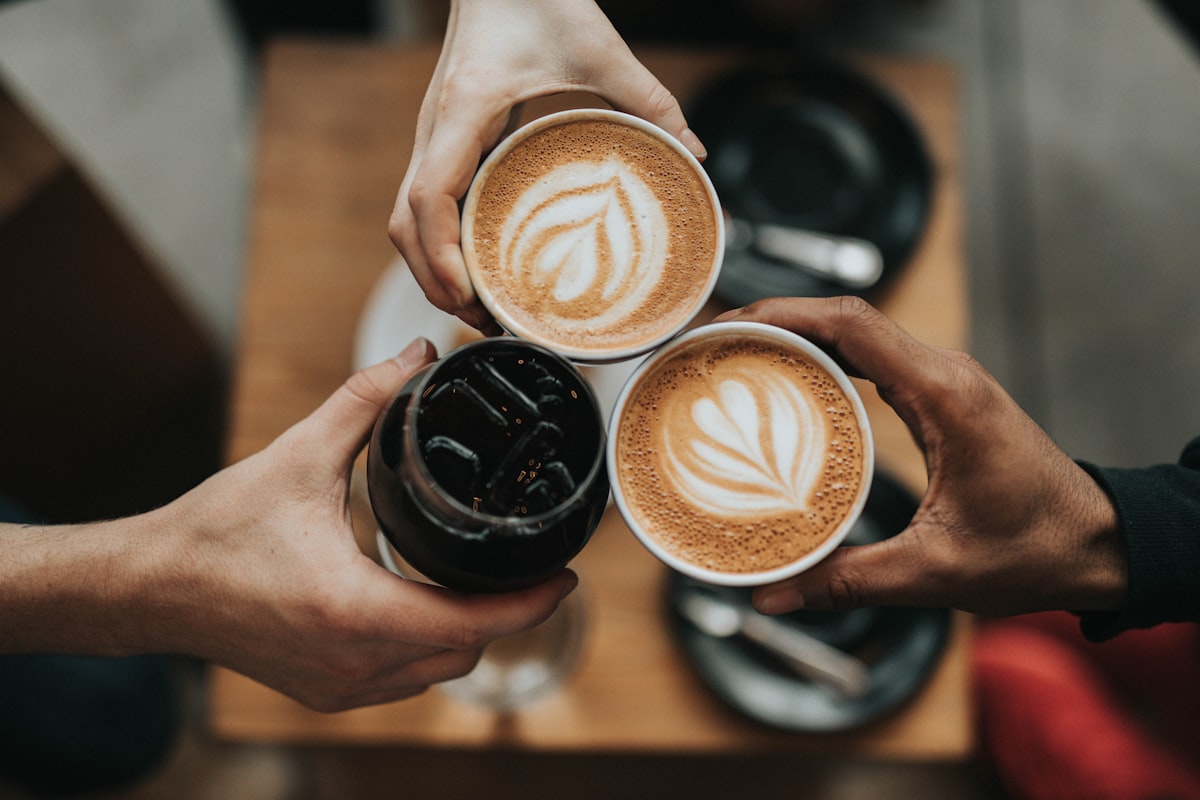
Coffee is the most widely consumed beverage among adult Canadians—surpassing even tap water in daily morning intake. Yet for generations, Canadian coffee culture was defined by burnt, bitter industrial robusta blends dispensed from corporate drive-thru windows, masked beneath heavy layers of cream and refined sugar. Over the past fifteen years, a massive artisanal transformation has swept across the nation.
From Vancouver's coastal espresso laboratories to Calgary's competition-winning roasters and Toronto's transparent direct-trade pioneers, Canadian specialty coffee roasters are celebrated globally for their technical roasting precision, ethical agricultural sourcing, and culinary sophistication. Here is how to navigate the Canadian specialty coffee landscape and brew café-quality cups at home.
Canada’s Third-Wave Specialty Coffee Revolution
The history of coffee consumption is classified into three distinct cultural waves:
- First Wave (Commodity Convenience): Post-war industrial canned ground coffee, instant granules, and institutional diner coffee. Beans were dark-roasted to mask stale age and defective robusta beans.
- Second Wave (The Espresso Chain): The late 1980s and 1990s rise of Italian-style espresso chains and flavored syrups. Roasts remained predominantly dark and oily, focusing on milky lattes.
- Third Wave (Specialty Artisanship): Coffee treated as a delicate seasonal agricultural fruit, akin to fine wine. Roasters celebrate specific botanical varietals (Geisha, Bourbon, SL28), farm micro-lots, processing methods (washed, natural, anaerobic honey), and transparent farmer pricing.
Direct-Trade Transparency vs. Supermarket Commodity Coffee
Commodity coffee traded on the New York "C-Market" fluctuates wildly based on international financial speculation, frequently leaving smallholder coffee farmers earning below the actual cost of production. Generic supermarket labels bearing certified "Fair Trade" stamps offer a modest price floor, but often fail to reward exceptional cup quality.
Leading Canadian specialty roasters practice Direct Trade. Green buyers travel directly to high-altitude washing stations in Colombia, Ethiopia, Kenya, and Guatemala, establishing multi-year purchasing partnerships. By paying quality premiums 100% to 300% above Fair Trade minimums directly to farm families, Canadian roasters incentivize regenerative soil cultivation, living wages for pickers, and meticulous selective harvesting of ripe coffee cherries.
Roast Profiles & Origin Terroir: Tasting What’s in the Cup
Coffee beans are the seeds of tropical berries. Dark roasting burns away delicate organic floral acids, leaving behind only the carbonized taste of the roasting drum. Canadian specialty roasters utilize light-to-medium roast curves to preserve the innate genetic terroir of the seed:
| Origin / Processing | Typical Roast Level | Flavor Profile & Notes | Best Brewing Method |
|---|---|---|---|
| Washed Ethiopian Yirgacheffe | Light / Nordic | Bergamot, jasmine blossom, lemon tea, crisp stone fruit | V60 Pour-over, Chemex, Aeropress |
| Natural Processed Colombian | Medium-Light | Ripe strawberry, milk chocolate, juicy tropical fruit acidity | Pour-over, Modern Espresso |
| Canadian Espresso Blend (Old School) | Medium-Dark | Toasted hazelnut, dark fudge, caramelized molasses, heavy body | Home Espresso Machine, Moka Pot, French Press |
The Canadian Water Chemistry Dilemma: Hard vs. Soft Tap Water
A cup of brewed coffee is 98.5% water. If your brewing water tastes flat or mineral-choked, your coffee will suffer regardless of how fresh the beans are. Canadian tap water varies wildly across provincial geology:
- Vancouver & Lower Mainland BC: Pristine mountain runoff with extremely low mineral content (TDS 15–30 ppm). While exceptionally clean, soft water lacks the magnesium ions needed to extract sweet, complex fruit compounds, often producing sour or under-extracted brews.
- Calgary, Edmonton, & Southern Ontario (Toronto, Waterloo): High-alkalinity hard water (TDS 180–350+ ppm) rich in calcium carbonate. High buffer capacity neutralizes bright, sparkling fruit acids, turning vibrant single-origin coffees into chalky, dull, bitter cups.
- The Brewing Solution: Serious coffee enthusiasts use a simple remineralization protocol: filter tap water through reverse osmosis or a ZeroWater pitcher, then add food-grade magnesium sulfate and calcium chloride (such as Canadian-formulated Third Wave Water packets) to achieve an optimal 120–150 ppm TDS mineral balance.
The Top Verified Canadian Specialty Coffee Roasters
1. 49th Parallel Coffee Roasters (Vancouver, British Columbia)
Pioneering Pacific Northwest specialty coffee since 2004, 49th Parallel is internationally revered for its iconic blue bags and uncompromising sourcing. Their Old School Espresso—a masterclass in balanced sweetness with dark chocolate and caramel notes—is the gold standard against which Canadian espresso blends are judged.
2. Balzac’s Coffee Roasters (Ontario)
Established in 1993 in Stratford, Ontario, and inspired by Honoré de Balzac’s legendary love of coffee, Balzac’s grew from a single historic café into one of Canada’s most beloved sustainable roasters. Roasting small batches in Ontario, Balzac’s prioritizes Bird-Friendly certified, shade-grown, organic beans that protect migratory Canadian birds on their wintering grounds in Central America.
3. Pilot Coffee Roasters (Toronto, Ontario)
Operating a state-of-the-art roasting facility in Toronto’s east end, Pilot is dedicated to the scientific craft of coffee. Utilizing high-efficiency Loring convection roasters, Pilot cuts carbon emissions while achieving hyper-consistent thermal profiles. Their Academy single-origin coffees and signature Heritage blend are staples in boutique Canadian cafés.
Home Brewing Extraction Matrix: Pour-Over vs. French Press
Master these golden parameters for home extraction:
- The Golden Ratio: Use a digital gram scale. The universal starting ratio is 1:16 (1 gram of coffee to 16 grams of water). For a single 250ml mug, weigh out 15.6 grams of coffee.
- Water Temperature: 92°C to 96°C (approx. 30–45 seconds off a rolling boil). Never pour boiling 100°C water directly onto grounds, which scorches volatile aromatics and creates bitter astringency.
- Burr Grinder Investment: Blade grinders smash beans into erratic boulders and microscopic dust fines. A quality conical steel burr grinder (such as a Baratza Encore or Timemore hand grinder) produces uniform particle sizes that extract evenly without channeling.
Winter Bean Freshness & Condensation Prevention
During Canadian winter, heating systems drop indoor humidity, while windows and entryways create sharp thermal swings. Never store whole bean coffee in the refrigerator! Taking cold beans out of a fridge into warm kitchen air causes immediate water condensation on bean surfaces, drawing oils to the surface and staling coffee within 48 hours.
Instead, store beans in a dedicated vacuum-seal canister (such as a Fellow Atmos) at room temperature away from direct sunlight. Freshly roasted specialty coffee reaches its peak flavor 7 to 21 days after the roast date, once trapped carbon dioxide gas has gently degassed.
Frequently Asked Questions
- Can coffee grow commercially in Canada?
- No. Coffea Arabica plants require tropical, frost-free climates located along the global "Coffee Belt" (between the Tropics of Cancer and Capricorn). While the green beans are imported, the culinary craftsmanship—quality evaluation, roasting chemistry, blending, and packaging—is executed by skilled Canadian roasters.
- Why are whole beans better than pre-ground coffee?
- Grinding coffee increases its exposed surface area by over 10,000 times. Within 15 minutes of grinding, up to 60% of volatile aromatic compounds and delicate floral notes evaporate into the air. Grinding fresh right before brewing delivers tenfold more aroma and sweetness.
- What does "Swiss Water Process" decaf mean?
- The Swiss Water Decaffeination facility is located in Delta, British Columbia. Unlike conventional decaf that uses chemical chemical solvents (like methylene chloride or ethyl acetate) to strip caffeine, the Canadian Swiss Water Process uses only pure water, temperature, and green coffee extract to remove 99.9% of caffeine while leaving original flavor compounds intact.
Written by Asif Khan
Founder & Software Architect • CanadianOwn
Asif is the creator and software architect behind CanadianOwn. Passionate about local manufacturing preservation, transparent corporate ownership, and consumer empowerment, he writes deeply researched buying guides to help Canadians make informed domestic purchasing decisions.
Learn more about our mission →